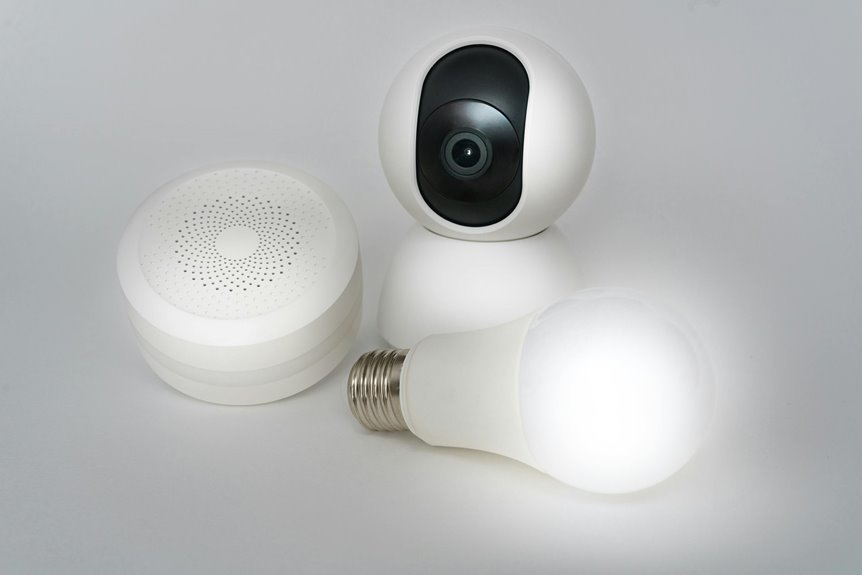
Smart Digital Hub 662903770 Security
The Smart Digital Hub 662903770 employs advanced security measures to protect user data and privacy. Its robust user authentication ensures only authorized access to sensitive settings. Data encryption safeguards information by rendering it unreadable without appropriate decryption keys. Regular software updates are crucial for eliminating vulnerabilities. However, understanding how these features interconnect and their implications on overall security remains essential for users seeking a comprehensive grasp of their smart home ecosystem.
Understanding the Security Features of Smart Digital Hub 662903770
As the demand for interconnected smart devices escalates, understanding the security features of the Smart Digital Hub 662903770 becomes paramount.
Central to its functionality is robust user authentication, ensuring that only authorized personnel access device settings.
Additionally, the hub’s extensive device compatibility allows seamless integration of various smart products, enhancing user experience while maintaining secure communication channels across devices within the network.
How Does Encryption Keep Your Data Safe?
Encryption serves as a critical barrier against unauthorized access, safeguarding sensitive data within the Smart Digital Hub 662903770.
Various encryption methods, including symmetric and asymmetric algorithms, ensure robust data protection by transforming readable information into unreadable formats.
This process prevents interception, allowing only authorized users with the correct decryption keys to access the original data, thereby enhancing overall security and user autonomy.
Importance of Regular Software Updates for Security
Security resilience significantly hinges on the implementation of regular software updates.
These updates provide critical vulnerability patches that mitigate risks associated with known exploits. Furthermore, maintaining software compatibility ensures seamless integration of new security measures and tools.
Neglecting updates can lead to increased exposure to cyber threats, undermining the security framework of the Smart Digital Hub and compromising user freedom.
Best Practices for Securing Your Smart Digital Hub
While the implementation of technology in a Smart Digital Hub offers numerous advantages, it also necessitates a robust security framework to protect sensitive data and maintain user privacy.
Best practices include stringent password management, ensuring passwords are complex and regularly updated.
Additionally, device authentication should be enforced, verifying the legitimacy of connected devices to mitigate unauthorized access and enhance overall security integrity.
Conclusion
In the realm of smart home technology, the Smart Digital Hub 662903770 exemplifies a duality of security and accessibility. While robust user authentication and encryption fortify data against breaches, the necessity for regular software updates highlights the ever-present vulnerabilities in an interconnected landscape. Striking a balance between user convenience and stringent security measures is paramount; as the hub integrates seamlessly into daily life, its protective features serve as a reminder that security is an ongoing commitment rather than a one-time solution.